The Power of SWITRS: A Guide for Personal Injury Attorneys and Insurance Claims Processors
Every year, California's roads (over 1 MILLION miles!) witness hundreds of thousands of car accidents, leaving a trail of injuries, property damage, and complex legal battles. In the aftermath of these incidents, accurate and detailed information is crucial for both personal injury attorneys and insurance claims processors. This is where the Statewide Integrated Traffic Records System (SWITRS) comes into play.

SWITRS is a goldmine of data for anyone dealing with the aftermath of traffic collisions in California. This comprehensive database, maintained by the California Highway Patrol (CHP), offers a wealth of information about accidents, from the basic facts like date, time, and location to intricate details about the vehicles involved, contributing factors, and resulting injuries. This article serves as a guide to understanding and leveraging SWITRS data to build stronger cases, validate claims, and ultimately achieve better outcomes. By unlocking the power of SWITRS, legal professionals and insurance adjusters can gain a significant advantage in navigating the complexities of traffic accident cases.
What is SWITRS and How Does it Work?
SWITRS is more than just a list of accidents. It's a meticulously compiled database that captures a comprehensive picture of every reportable collision on California's roads. Think of it as a digital library of accident reports, offering a detailed account of each incident.
How does CHP gather this information?
- Law Enforcement Reporting: When a law enforcement officer responds to a traffic collision, they meticulously document the details in a standardized report. This includes information about the drivers, passengers, vehicles, environmental conditions, contributing factors (like speeding or DUI), and the severity of injuries.
- Data Compilation: These reports are then submitted to the CHP, where they are entered into their database. This creates a centralized repository of accident information accessible to authorized individuals.
Types of Reports:
SWITRS offers various reports tailored to different needs. Some of the most commonly accessed reports include:
- Collision Reports: These provide a detailed narrative of the accident, including the sequence of events, contributing factors, and any enforcement actions taken.
- Traffic Citation Reports: These reports detail any traffic citations issued in connection with the accident, providing valuable information about potential violations and liability.
Accessing and Obtaining SWITRS Reports
Accessing SWITRS data is crucial for both attorneys and insurance professionals. Unfortunately, Jan 8 2025 the CHP has stopped providing this directly to the Public. This makes it far more difficult to get this data directly. According to their website:
 Starting 1/8/2025, ISWTRS is no longer available for public access and is replaced by California Crash Reporting System (CCRS).
Clymer & Beverly has contacted our CHP contacts and they have communicated that we can request SWITRS reports from them.
Tips for Requesting SWITRS Reports:
- Be Specific: Provide as much detail as possible in your request, including the date, time, location, and involved parties. This helps ensure you receive the correct report. Use our simple guide here for required data for Traffic Collision Reports.
- Understand Access Restrictions: Some information in SWITRS reports may be restricted due to privacy concerns. Familiarize yourself with these limitations to avoid unnecessary delays.
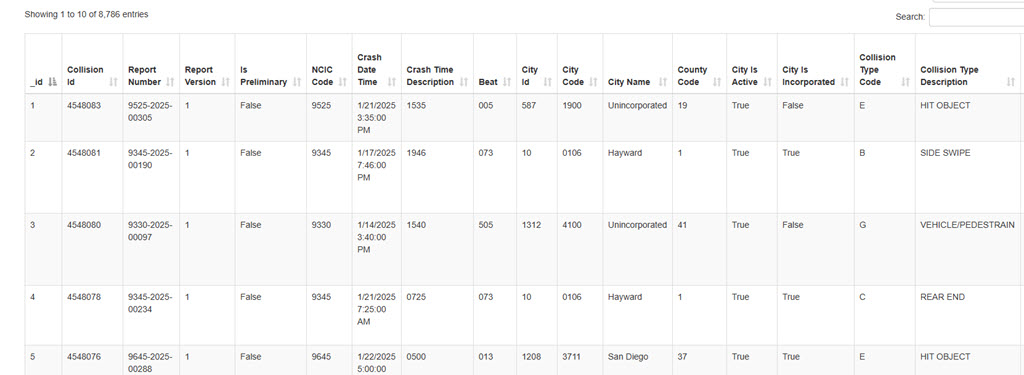
Deciphering SWITRS Data: A Field-by-Field Guide
These reports can be dense documents filled with abbreviations, codes, and technical jargon. Understanding the key data fields is essential for extracting meaningful information.
Key Data Fields:
- Collision Date and Time: Pinpoints the exact moment of the accident.
- Location: Provides precise details about where the accident occurred.
- Parties Involved: Lists the drivers, passengers, and any other individuals involved, along with their contact information and vehicle details.
- Collision Sequence: Describes the sequence of events leading up to the collision.
- Contributing Factors: Identifies any factors that contributed to the accident, such as speeding, DUI, or distracted driving.
- Injury Severity: Classifies the severity of injuries sustained by each individual involved.
Interpreting the Data:
- Pay close attention to the narrative section, which provides a detailed account of the accident from the reporting officer's perspective.
- Cross-reference different data fields to gain a comprehensive understanding of the incident..
How to Use SWITRS for Personal Injury Claims
For personal injury attorneys, SWITRS is a powerful tool for building strong cases and advocating for their clients.
Here's how SWITRS data can be utilized:
- Investigating Accident Circumstances: SWITRS provides a factual foundation for understanding the sequence of events, road conditions, and driver actions that contributed to the accident.
- Reconstructing the Accident Scene: By combining report data with witness statements and other evidence, attorneys can create a detailed reconstruction of the accident, which can be crucial in determining liability.
- Determining Liability: SWITRS data can help establish negligence and identify the at-fault party by providing objective information about contributing factors and traffic violations.
- Gathering Evidence: SWITRS reports serve as official documentation that can be used as evidence in legal proceedings.
- Negotiating Settlements: Accurate and detailed accident information from SWITRS can strengthen an attorney's negotiating position and help achieve favorable settlements for their clients.
SWITRS and Insurance Claims Processing
Insurance claims processors can also leverage data to streamline their workflow and ensure accurate claim settlements.
Key applications for insurance professionals:
- Claim Validation: SWITRS reports provide independent verification of accident details, ensuring the accuracy of claims filed.
- Fraud Detection: By analyzing SWITRS data, insurance adjusters can identify inconsistencies or red flags that may indicate fraudulent claims.
- Damage Assessment: SWITRS reports can help assess the extent of damages and determine appropriate settlement values.
- Risk Assessment: Analyzing accident trends and patterns in SWITRS data can help insurance companies improve their risk assessment models and pricing strategies.
Limitations and Considerations of SWITRS Data
While SWITRS is a valuable resource, it's essential to be aware of its limitations:
- Data Entry Errors: As with any large database, SWITRS is susceptible to human error in data entry.
- Incomplete Information: Not all accidents are reported to law enforcement, and some reports may have missing or incomplete information.
- Subjectivity in Reporting: The reporting officer's observations and interpretations can introduce a degree of subjectivity into the report.
To mitigate these limitations:
- Critically evaluate the data: Don't solely rely on SWITRS. Corroborate the information with other evidence, such as witness statements, photographs, and expert opinions.
- Consider the role of expert witnesses: In complex cases, expert witnesses can help interpret SWITRS data and provide professional opinions on accident reconstruction and liability.
Conclusion
SWITRS is an indispensable tool for anyone involved in traffic accident cases in California. By understanding how to access, interpret, and utilize this valuable data, personal injury attorneys and insurance claims processors can gain a significant advantage. Accurate data analysis and interpretation are crucial for building strong cases, validating claims, and achieving fair outcomes.
Do you need help getting SWITRS Reports?
Contact us and find out how we can help you improve your turnaround time and get SWITRS Reports faster and more efficiently so you can focus on your key business.
Contact Us.
Clymer & Beverly Inc.
2110 Artesia Blvd. #B115
Redondo Beach CA 90278
P: 310-372-2226Inquiries: info@clymerbeverly.com