Animal Control Reports: A Crucial Guide for Personal Injury & Insurance Claims
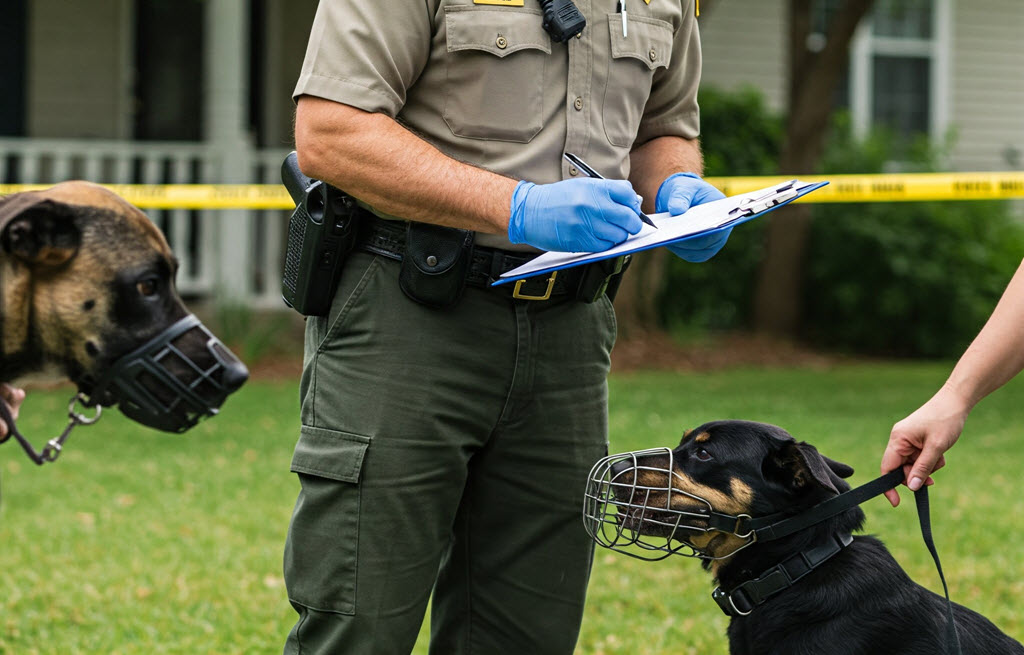
Dog bites account for over a third of all homeowner's liability insurance claims. In the aftermath of an animal attack, the ensuing personal injury cases and insurance claims often hinge on one critical document: the Animal Control Report. This report serves as an official record of the incident and can significantly influence the outcome of legal proceedings.
This article provides a comprehensive guide for personal injury attorneys and insurance claims processors on understanding, obtaining, and utilizing animal control reports effectively. We'll look into the details of these reports, exploring their content, procurement process, and legal implications.
What is an Animal Control Report?
An animal control report is an official document generated by an animal control officer or agency following an incident involving an animal. These reports serve multiple purposes:
- Documenting incidents: They provide a detailed account of the event, including the date, time, location, and nature of the incident.
- Tracking animal bites: Reports help monitor animal bite statistics and identify potential public health concerns, such as rabies outbreaks.
- Investigating potential neglect/abuse: Officers may use reports to document evidence of animal cruelty or neglect.
- Providing official records for legal proceedings: Crucially, these reports serve as objective evidence in personal injury lawsuits, insurance claims, and other legal matters.
Key Elements of an Animal Control Report:
A typical animal control report includes the following information:
- Date, time, and location of the incident: This establishes the context of the event.
- Animal information: This includes the animal's breed, description, and vaccination status, which can be crucial in determining liability.
- Owner information: If available, the report will identify the animal's owner, their contact information, and any relevant history of prior incidents.
- Witness statements: Statements from individuals who witnessed the incident can provide valuable perspectives and corroborate evidence.
- Officer's observations and actions taken: This section details the officer's findings at the scene, any actions taken (e.g., quarantining the animal), and their professional assessment of the situation.
How to Obtain Animal Control / Dog Bite Reports
Accessing animal control reports can vary depending on the jurisdiction (city, county, or state). Here's a general guide:
- Identify the relevant agency: Determine which agency (animal control, police department, sheriff's office) responded to the incident.
- Contact the agency: Request the report in (often in writing), providing specific details about the incident (date, location, parties involved).
- Be prepared for fees and processing times: Agencies often charge a fee for copies of reports, and processing times can vary.
- Understand legal requirements: Familiarize yourself with relevant laws, such as the Freedom of Information Act (FOIA), which may grant you access to public records.
- Tips for expediting the process: Providing accurate information, submitting a formal request in writing, and following up politely can help expedite the retrieval process.
Interpreting the Report for Legal Cases
Animal control reports are a treasure trove of information for legal professionals. Here's how to effectively interpret them:
- Identify key information: Focus on details relevant to liability and damages, such as the animal's behavior, owner's actions (or inaction), and witness accounts.
- Understand terminology and codes: Familiarize yourself with common terminology and codes used in the reports to accurately interpret the information.
- Analyze witness statements: Look for inconsistencies or valuable insights that may support or challenge your case.
- Correlate with other evidence: Compare the report's details with other evidence, such as medical records, photographs, and client statements, to build a comprehensive picture.
- Recognize red flags: Be aware of potential red flags, such as missing information, conflicting accounts, or evidence of tampering, which may warrant further investigation.
Using Reports in Personal Injury Claims
In personal injury claims arising from animal attacks, animal control reports can be instrumental in:
- Demonstrating negligence: The report may reveal the owner's failure to properly restrain or control the animal, establishing negligence.
- Establishing a pattern of behavior: If the report indicates prior incidents involving the same animal, it can establish a pattern of aggressive behavior.
- Proving the severity of injuries: The report can corroborate the extent of injuries sustained and link them directly to the animal attack.
- Supporting claims for damages: Details in the report can substantiate claims for medical expenses, lost wages, and pain and suffering.
- Case examples: Legal databases like Westlaw and LexisNexis offer numerous examples of successful personal injury lawsuits where animal control reports played a pivotal role.
Animal Control Reports in Insurance Claims
Insurance claims processors can leverage animal control reports to:
- Assess homeowner's/renter's insurance claims: The report helps determine the validity of claims related to animal attacks.
- Determine liability coverage: Reports can clarify whether the incident falls under the insured's liability coverage.
- Influence claim payouts: The information in the report can significantly impact the amount of compensation offered to the claimant.
- Address discrepancies: Reports can be used to challenge or support insurance adjuster assessments of the incident.
- Claim evaluations: Insurance companies often rely on animal control reports to evaluate the circumstances of the incident and determine appropriate actions.
Expert Witness Testimony and Animal Control Cases
In complex cases, involving expert witnesses can bolster your arguments:
- When to involve experts: Consider engaging animal behavior experts or veterinarians to interpret the report's findings and provide professional opinions.
- Utilizing expert testimony: Experts can clarify technical details, offer insights into animal behavior, and strengthen your case with their expertise.
- Strengthening arguments: Expert opinions based on the animal control report can provide compelling evidence in court.
- Cross-examining witnesses: Utilize the report to effectively cross-examine expert witnesses and challenge their opinions.
Conclusion
Animal control reports are indispensable tools for legal professionals handling animal attack cases. They provide crucial information that can significantly influence the outcome of personal injury claims and insurance settlements. By understanding the content, procurement process, and legal implications of these reports, attorneys and claims processors can effectively navigate the complexities of animal-related cases.