Police Photo & Video Reports: The Ultimate Guide for Accuracy & Accountability
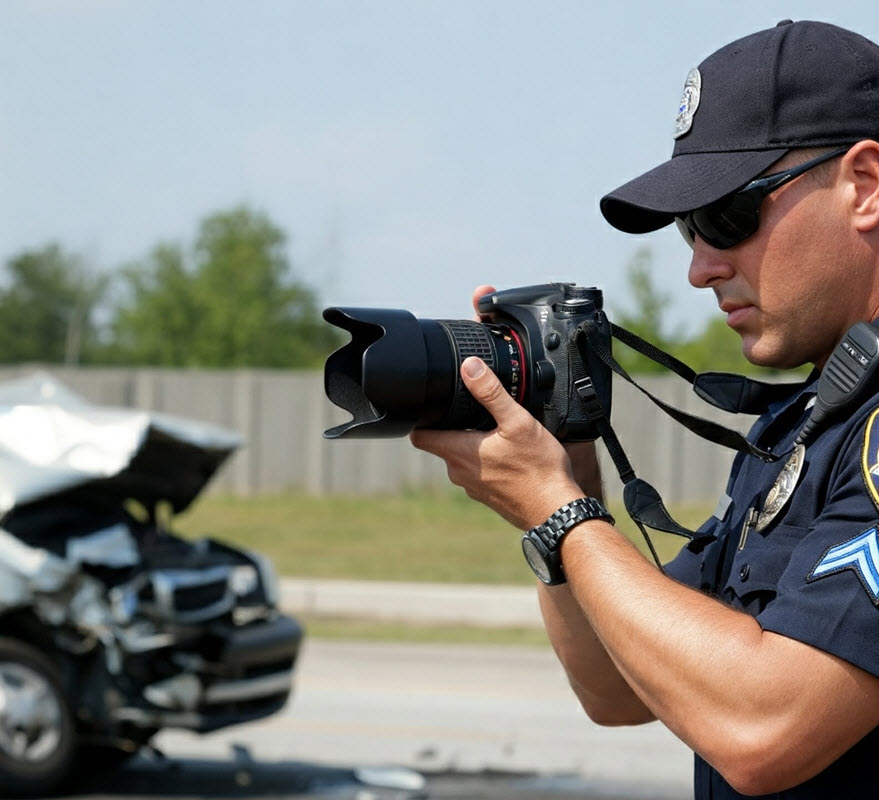
In an age where every smartphone is a potential camera, visual evidence plays a crucial role in law enforcement. Police photo and video reports are no longer just about documenting crime scenes; they're about building trust, ensuring transparency, and securing justice. This comprehensive guide delves deep into the world of police photo and video reports, exploring their creation, usage, legal implications, and impact on policing. Whether you're a law enforcement professional, a legal expert, or a concerned citizen, this article will equip you with the knowledge to understand the power and importance of visual documentation in law enforcement.
Types of Police Photo & Video Reports
Police photo and video reports serve various purposes, each with its own set of guidelines and best practices. Here's a breakdown of the most common types:
1. Crime Scene Documentation
Accurate and detailed visual documentation of a crime scene is paramount for successful investigations and prosecutions.
- Photos: High-quality photographs are essential for capturing the scene's overall context, mid-range views of key areas, and close-up shots of evidence. Proper evidence marking, perspectives, and the use of scales are crucial for accurate representation. (Source: Law enforcement manuals, best practice guides from organizations like the International Association of Chiefs of Police (IACP))
- Videos: Videos provide a dynamic view of the crime scene, allowing for walkthroughs, detailed evidence documentation, and recordings of suspect/witness interviews. This immersive documentation can be invaluable for investigators and jurors alike.
2. Traffic Accident Reports
Visual evidence plays a critical role in determining fault and liability in traffic accidents.
- Photos: Photos should capture vehicle damage from various angles, road conditions, skid marks, traffic control devices, and witness viewpoints. This comprehensive visual record can help reconstruct the accident and support insurance claims. (Source: National Highway Traffic Safety Administration (NHTSA) guidelines, state-specific traffic laws)
- Videos: Dashcam footage, CCTV recordings, and witness videos can provide crucial objective evidence in traffic accident investigations. This footage can help determine the sequence of events, vehicle speeds, and driver behavior.
3. Use of Force Incidents
In an era of increased scrutiny on police conduct, visual documentation of use-of-force incidents is critical for transparency and accountability.
- Body-worn cameras (BWCs): BWCs provide a first-person perspective of police interactions, offering valuable insights into the circumstances surrounding use-of-force incidents. Footage review is crucial for internal investigations and can be used to improve training and de-escalation techniques. (Source: Department of Justice (DOJ) reports on use of force)
- Bystander videos: Videos captured by bystanders can offer a different perspective on use-of-force incidents. While legal considerations regarding their admissibility and evidentiary value vary, they often play a significant role in shaping public perception.
Best Practices for Creating Police Photo & Video Reports
Creating effective police photo and video reports requires more than just pointing and shooting. Adhering to best practices ensures the accuracy, reliability, and legal admissibility of visual evidence.
1. Equipment and Technology
Using the right tools is essential for capturing high-quality visual evidence.
- Cameras: Law enforcement agencies should invest in cameras that meet their specific needs. DSLR cameras offer superior image quality and control, while point-and-shoot cameras provide convenience and portability. Video resolution, low-light capabilities, and zoom functions are important factors to consider. (Source: Technology reviews, law enforcement equipment vendors)
- Software: Specialized software plays a vital role in managing and processing visual evidence. Photo editing tools can enhance images while maintaining their integrity. Video redaction software protects sensitive information, and digital asset management systems ensure secure storage and efficient retrieval of visual data.
2. Chain of Custody and Evidence Preservation
Maintaining a secure chain of custody is crucial for ensuring the admissibility of visual evidence in court.
- Documentation: Meticulous documentation is essential for tracking the handling of visual evidence. Logging evidence, time-stamping, and preserving metadata help establish authenticity and prevent tampering.
- Storage: Secure storage solutions are vital for protecting visual evidence from unauthorized access and loss. Dedicated servers, cloud storage with access control, and robust backup systems are essential for maintaining the integrity and availability of visual data. (Source: Legal guidelines on evidence handling, data security best practices)
Legal Aspects of Police Photo & Video Reports
Visual evidence is subject to legal scrutiny, and understanding the relevant legal considerations is crucial for its effective use in court.
1. Admissibility in Court
For photo and video evidence to be admissible, it must meet specific criteria.
- Authentication: Prosecutors must establish the authenticity of the evidence by demonstrating a clear chain of custody and proving that the images or videos accurately represent the scene or events in question.
- Relevance: The evidence must be relevant to the case, meaning it must have a tendency to prove or disprove a fact that is of consequence to the determination of the action.
- Prejudice: The court must weigh the probative value of the evidence against its potential to unfairly prejudice the jury. If the prejudicial effect outweighs the probative value, the evidence may be excluded. (Source: Federal Rules of Evidence, state-specific evidentiary rules, relevant case law)
2. Privacy Concerns
The use of visual evidence must balance the need for transparency and accountability with individual privacy rights.
- Public access: Laws like the Freedom of Information Act (FOIA) grant the public access to government records, including police photos and videos. However, exemptions exist to protect sensitive information, such as medical records and ongoing investigations.
- Redaction: Redaction techniques, like blurring faces and license plates, are used to protect the privacy of individuals captured in police photos and videos. This is particularly important in cases involving minors, victims of sensitive crimes, and undercover officers. (Source: Privacy laws (e.g., HIPAA), legal precedents on redaction)
Improving Case Outcomes with Police Photo & Video Reports
Police photo and video reports have a profound impact on law enforcement, the justice system, and public perception of policing
- Strengthening evidence: Photos and videos can provide compelling visual evidence to support prosecutions. This can be particularly effective in cases where witness testimony is unreliable or contradictory.
- Aiding investigations: Footage can be used to identify suspects, witnesses, and vehicles. This can help investigators piece together the events of a crime and gather crucial leads. (Source: Case studies where photo/video evidence was crucial, expert opinions from prosecutors and defense attorneys)
Conclusion
Police photo and video reports are indispensable tools in modern law enforcement. They promote transparency, accountability, and officer safety while strengthening investigations and improving case outcomes. As technology continues to evolve, the role of visual evidence in policing will only become more critical. We encourage you to learn more about your rights, engage with your local police departments, and advocate for transparency and accountability in policing. By working together, we can ensure that law enforcement practices are fair, just, and serve the best interests of our communities.