Death Certificate: For Personal Injury Attorneys & Insurance Claims Processors
In personal injury law and insurance claims, a death certificate is more than just a document; it's a crucial piece of evidence that can significantly impact a case's outcome. This comprehensive guide delves deep into the intricacies of death certificates, providing personal injury attorneys and insurance claims processors with the knowledge needed to effectively utilize this document. We'll explore the information a death certificate provides, how to obtain one, common issues encountered, and its vital role in legal proceedings and insurance claims.
Deciphering the Details: Key Information on a Death Certificate
A death certificate is a legal document issued by a government authority that certifies the death of an individual. It provides a wealth of information crucial for legal and administrative purposes. Understanding the key elements of a death certificate is essential for personal injury attorneys and insurance claims processors.
Here's a breakdown of the typical information found on a death certificate:
- Decedent Information: This section includes the full name of the deceased, their date of birth, sex, race, marital status, Social Security number, and last known address.
- Date and Place of Death: This section records the date and time of death, as well as the location where the death occurred (e.g., hospital, residence, nursing home).
- Cause of Death: This section details the medical cause of death, often including immediate cause, underlying cause, and contributing factors. This information is typically provided by a physician or medical examiner.
- Manner of Death: This section classifies the death into one of five categories: natural, accident, homicide, suicide, or undetermined.
- Certifier Information: This section identifies the individual who completed the death certificate, usually a physician, medical examiner, or coroner. It includes their name, signature, and license number.
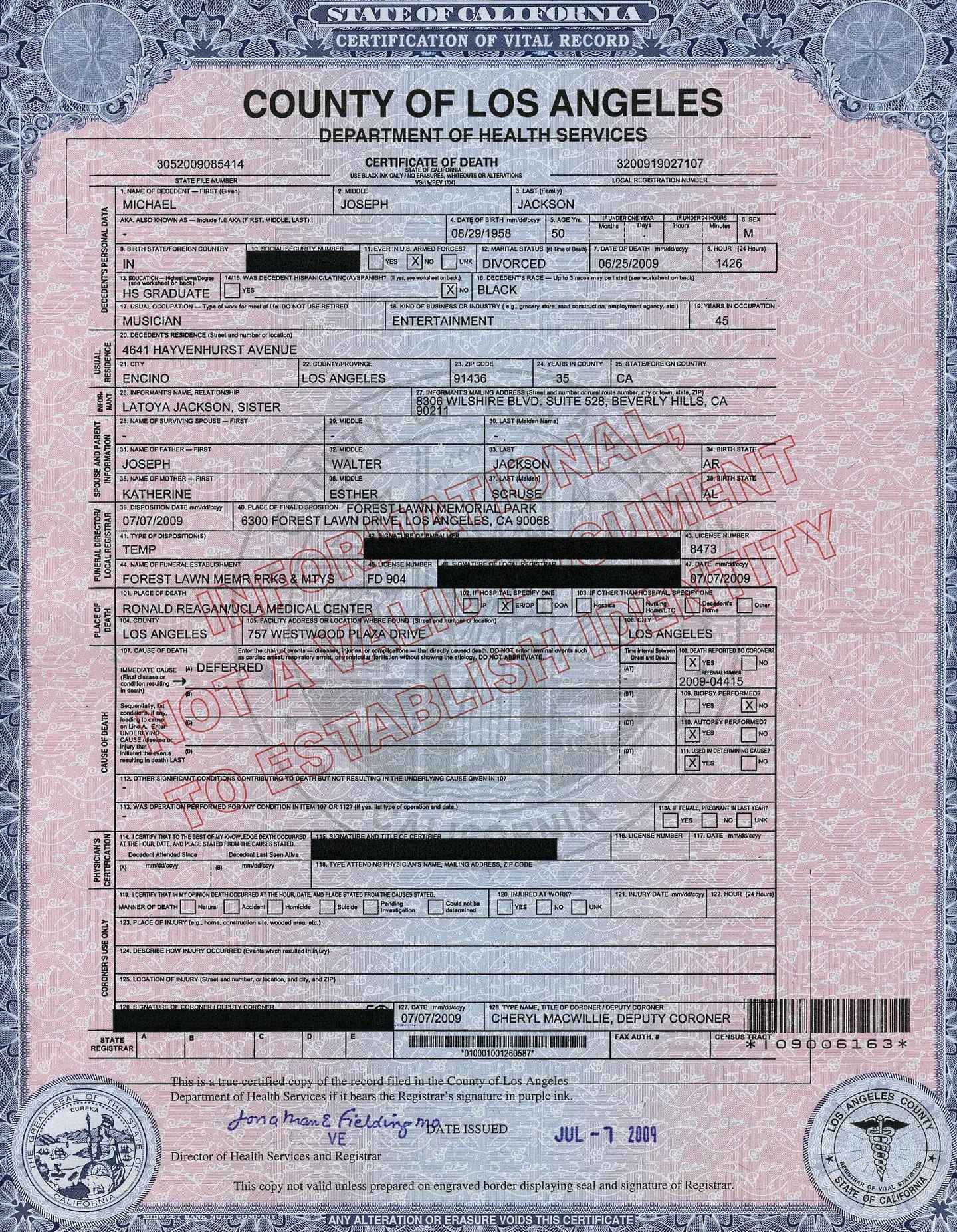
It's important to note that there are different types of death certificates. Certified copies are official documents issued by vital records offices and are typically required for legal and administrative purposes. Informational copies may be provided to family members but might not be accepted for official use.
Cause and Manner of Death: Critical Distinctions for Legal Professionals
While both relate to the circumstances of death, "cause of death" and "manner of death" have distinct meanings with significant legal implications.
Cause of death refers to the specific medical reason for the death, such as heart disease, cancer, or trauma. It may include immediate causes (e.g., cardiac arrest), underlying causes (e.g., coronary artery disease), and contributing factors (e.g., diabetes).
Manner of death classifies the death into one of five categories:
- Natural: Death due to natural disease processes.
- Accident: Death resulting from an unintentional injury or event.
- Homicide: Death caused by another person.
- Suicide: Death caused by self-inflicted injury with the intent to die.
- Undetermined: When the circumstances surrounding the death cannot be definitively classified.
Accurate and detailed cause of death information is crucial for legal cases, particularly in personal injury and wrongful death lawsuits. For example, in a car accident case, the death certificate may list "multiple blunt force trauma" as the cause of death and "accident" as the manner of death. This information helps establish the link between the accident and the victim's death.
Ambiguous or incomplete cause of death entries can create complications. For instance, if the manner of death is listed as "undetermined," it may be challenging to prove liability in a personal injury case.
How to Obtain a Death Certificate: A Step-by-Step Guide
Obtaining a certified copy of a death certificate is essential for various legal and administrative processes. Here's a step-by-step guide:
- Determine Eligibility: Typically, immediate family members (spouse, parents, children), legal representatives, and individuals with a documented legal interest can request a death certificate.
- Locate the Vital Records Office: Death certificates are issued by the vital records office in the state where the death occurred. You can usually find contact information and application procedures on the state's health department website.
- Gather Required Documentation: This typically includes a completed application form, proof of identification, and documentation demonstrating your relationship to the deceased or your legal interest.
- Submit the Request: You can submit your request in person, by mail, or online, depending on the state's procedures.
- Pay the Fee: There is usually a fee for each certified copy of the death certificate.
- Allow for Processing Time: Processing times vary by state and method of submission. Expedited options may be available for an additional fee.
Death Certificates in Court: Proving Essential Facts in Legal Cases
Death certificates serve as vital evidence in various legal proceedings, including personal injury cases, wrongful death lawsuits, and insurance claims. They provide crucial information to establish key facts:
- Fact and Time of Death: The death certificate officially confirms the death of an individual and provides the precise date and time of death, which can be critical in determining timelines and liability.
- Cause of Death and Liability: The cause and manner of death information can help establish a causal link between the defendant's actions (or negligence) and the victim's death, a key element in proving liability.
- Damages and Losses: In wrongful death cases, the death certificate can help calculate damages, such as loss of income, medical expenses, and funeral costs.
Potential Pitfalls: Addressing Discrepancies and Errors on Death Certificates
While death certificates are generally reliable documents, errors and inconsistencies can occur.
Common issues include:
- Incorrect personal information about the deceased
- Missing or incomplete information
- Illegible entries
- Discrepancies between the death certificate and other medical records
If you encounter errors on a death certificate, it's crucial to address them promptly. Procedures for amending a death certificate vary by state but typically involve submitting a request to the vital records office with supporting documentation.
Cases with conflicting information or suspicious circumstances surrounding the death may require further investigation. This may involve consulting with medical experts, reviewing medical records, or even requesting an autopsy.
Navigating Insurance Claims: The Importance of the Death Certificate
Death certificates are essential for processing various insurance claims, including life insurance, accidental death benefits, and other policies.
Insurance companies typically require a certified copy of the death certificate to:
- Verify the death of the insured
- Determine the cause and manner of death
- Assess eligibility for benefits
- Process the claim and disburse funds
Submitting a complete and accurate death certificate can help expedite the claims process. Delays may occur if the death certificate contains errors, is incomplete, or raises questions about the circumstances of the death.
Conclusion
The death certificate is a critical document in legal and insurance contexts, providing essential information about the deceased and the circumstances of their death. Personal injury attorneys and insurance claims processors must understand the intricacies of this document to effectively represent their clients and navigate complex cases. By utilizing the information and guidance provided in this guide, legal professionals and insurance processors can effectively utilize death certificates, address potential challenges, and ensure a smoother process for all parties involved.
If you encounter complex situations or require assistance with death certificate-related issues, please Contact Us at Clymer & Bverly. We know how to help you.
Clymer & Beverly uses our extensive experience to find the right agency and get your Death Certificate and Coroner Report fast! Our staff knows where to look and how to find those obscure and difficult to contact agencies because we do this, EVERY DAY.
We know what Insurance Agencies are up against. Specialized legal counsel and sophisticated individuals are often able to maximize their claims, and speed, accuracy and effective delivery are vital to closing your claim and mitigating loss.
Contact us and find out how we can help you improve your turnaround time and get Death Certificate Reports faster and more efficiently so you can focus on your key business.